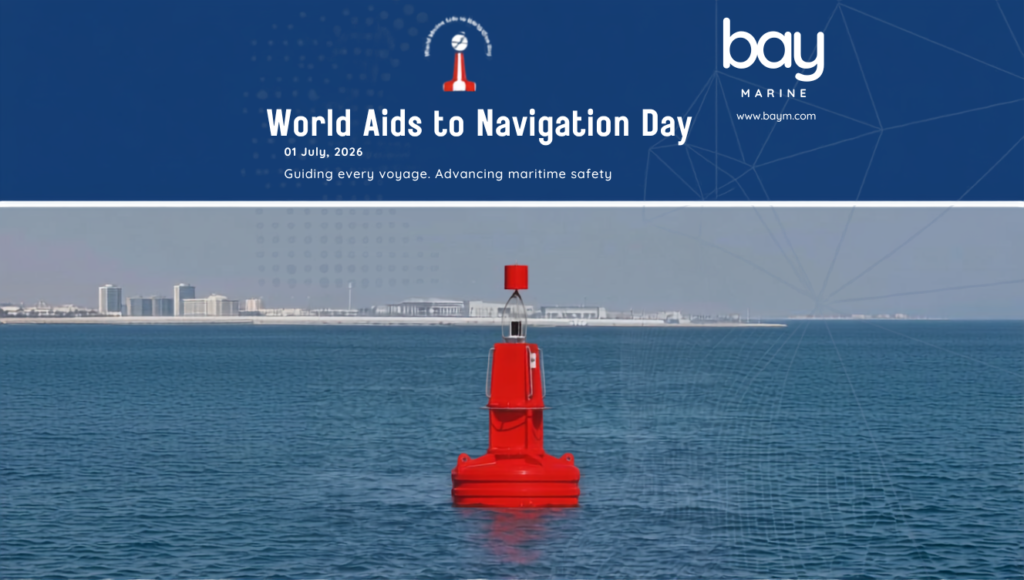
World Aids to Navigation Day: Guiding Every Voyage
Most of us never think about how a ship actually finds its way across thousands of miles of open ocean and still manages to dock at exactly the right pier. Truth is, behind that ordinary-looking arrival is a whole quiet system of lights, signals and markers working away in the background, mostly unnoticed, mostly unthanked. July 1st is when we pause for that, on World Aids to Navigation Day, and give a bit of credit to the infrastructure that keeps our seas safe.
What Exactly Are Aids to Navigation?
If you want a simple way to picture Aids to Navigation, or AtoN as the industry calls it, just think of road signs and traffic lights, but on water, and with far less room for error. These are the visual, electronic and physical systems that help a mariner figure out exactly where they are, dodge hazards they can’t always see, and get everyone home safe.
On the visual front, you’ve got lighthouses, which have done this job for centuries now, plus beacons, marine lanterns, and the buoys most of us have spotted near a harbor at some point without really knowing what they meant. There are lateral marks that show where a channel begins and ends, cardinal marks that point toward safer water, and isolated danger marks that flag a specific hazard sitting just below the surface.
And then there’s the newer side of things. AIS Aids to Navigation, RACON, and sector lights now send real-time digital information straight to a ship’s bridge, so the old methods and the new tech end up working side by side rather than replacing one another.
Why This Quiet Infrastructure Matters So Much
Here’s a stat that’s easy to skip past but really shouldn’t be: over 80% of global trade moves by sea. None of that works without navigation infrastructure you can actually rely on, in fog, at night, in rough weather, every time. A few reasons this matters so much:
Safety, above everything.These systems exist to prevent collisions, protect the lives of everyone on board, and keep environmentally sensitive coastal areas from the kind of damage a grounded vessel or a spill can cause.
Old methods meeting new technology. The buoys and lanterns out there today aren’t what they were a few decades back. Solar powered LED lights can now run for years with barely any maintenance, IoT based remote monitoring lets someone check on an aid’s condition from an office hundreds of miles away, and automatic fault detection catches issues before they turn into real problems, which saves both time and money.
Quiet support across very different industries. This infrastructure backs commercial ports, offshore wind farms, and inland waterways alike, keeping operations running smoothly no matter what kind of water traffic is involved.
Honoring the People Who Keep It Running
It’s easy to look at a lighthouse and forget there’s a whole team of people behind making sure it actually works. Today is also about them, the engineers, technicians, port authorities and navigation professionals who do this work without much recognition. They’re out servicing buoys in rough weather, watching over signals through the night, fixing equipment far from shore, all so the rest of us can move across the water with confidence. It’s not flashy work, but it’s the kind that genuinely matters.
About Bay Marine
We’re glad to play a part in this mission. At Bay Marine, we provide advanced, IALA compliant AtoN solutions, including high performance navigation marker buoys, solar marine navigation lanterns and AIS technologies, built to help ports and offshore industries around the world stay safe and run efficiently.
So this World Aids to Navigation Day, here’s to every light that brings a ship home, and to everyone working quietly to keep it lit.