Essential Lifeguard and Rescue Equipment for Safer Marine Facilities
In marine and waterfront facilities, the outcome of a water emergency is rarely a matter of chance. It comes down to whether the right lifeguard and rescue equipment is already positioned, properly maintained, and immediately accessible to someone trained to use it. Response time is measured in seconds, not minutes, and that window is defined almost entirely by what equipment is on hand before an incident occurs, not after.
For marinas, beach clubs, port facilities, and any site where public access meets open water, this is not a discretionary investment. It is a core operational requirement, tied directly to duty of care and regulatory compliance. Facilities that treat rescue readiness as a standing priority, rather than a box to check, are the ones equipped to act when it matters most.
Why Marine Facilities Can't Treat Safety as an Afterthought
Most water safety incidents at marinas, ports, and waterfront facilities happen close to shore – They often occur by quays, jetties, and the berthing space. People are closer to shore there, so the risk area is tighter than what you might expect.
That is also where rescue gear matters most. Survival can hinge on how quickly a crew can reach the right tools. Speed depends on the tools being ready at the access points people use.
Having a lifeguard on site is only part of the picture. The real question is what is already there when something goes wrong. Lifeguard and Rescue Equipment must be stocked, kept in good shape, and placed where they can be grabbed fast. If the gear is locked away or gets brought out later, it does not help much when it is needed right then.
The Rescue Hierarchy That Should Shape Your Equipment List
Ask any experienced lifeguard what matters most, and they won’t lead with brand names. They’ll talk about response time – how fast a tool gets from storage to the water, and how fast it gets the victim back to safety.
Lifesaving organizations teach a simple sequence, and it’s still the backbone of good facility planning:
- Reach – extend something to the person without entering the water
- Throw – toss a flotation device they can grab
- Row – use a rescue craft if reach and throw aren’t enough
- Go – a trained swimmer enters the water only as a last resort
Every category of lifeguard and rescue equipment exists to support one of these four steps. Once you see rescue gear through this lens, it’s clear why a facility needs a layered set of tools rather than a single “just in case” item.
The Equipment Every Marine Facility Should Have on Hand
Rescue Tubes - The First Response Tool
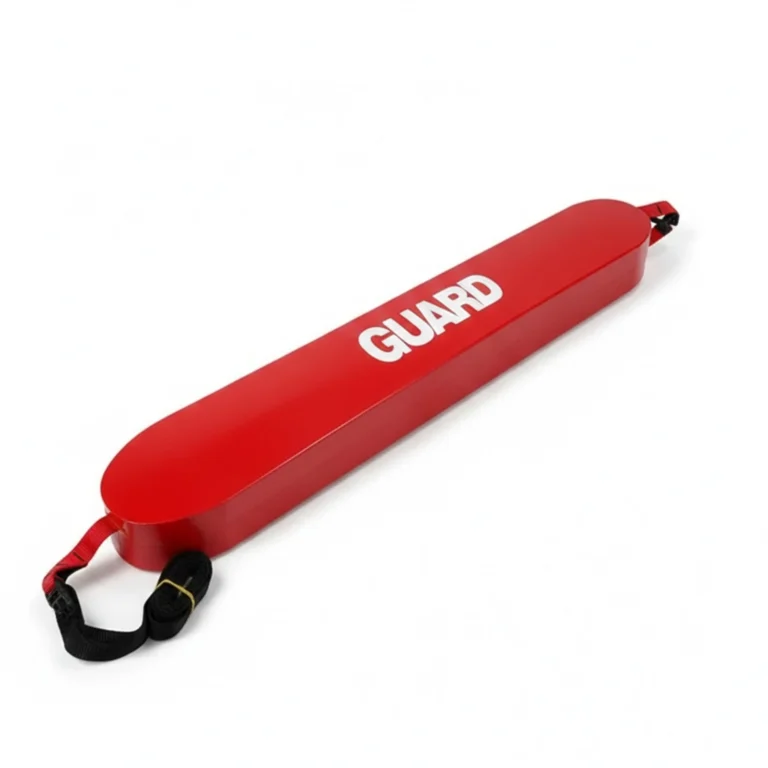
A rescue tube is often the first thing a lifeguard grabs when entering the water – buoyancy support while towing a victim back to shore, rather than relying on strength alone. Tubes typically come in 40-inch and 50-inch sizes, built from durable vinyl that’s lightweight yet tough, with bright colouring for high visibility from shore.
Quick tip: Larger swimming areas often benefit from the longer tube, since it offers more flotation support over longer tow distances.
Rescue Rings (Life Buoys) - The Classic "Throw" Device
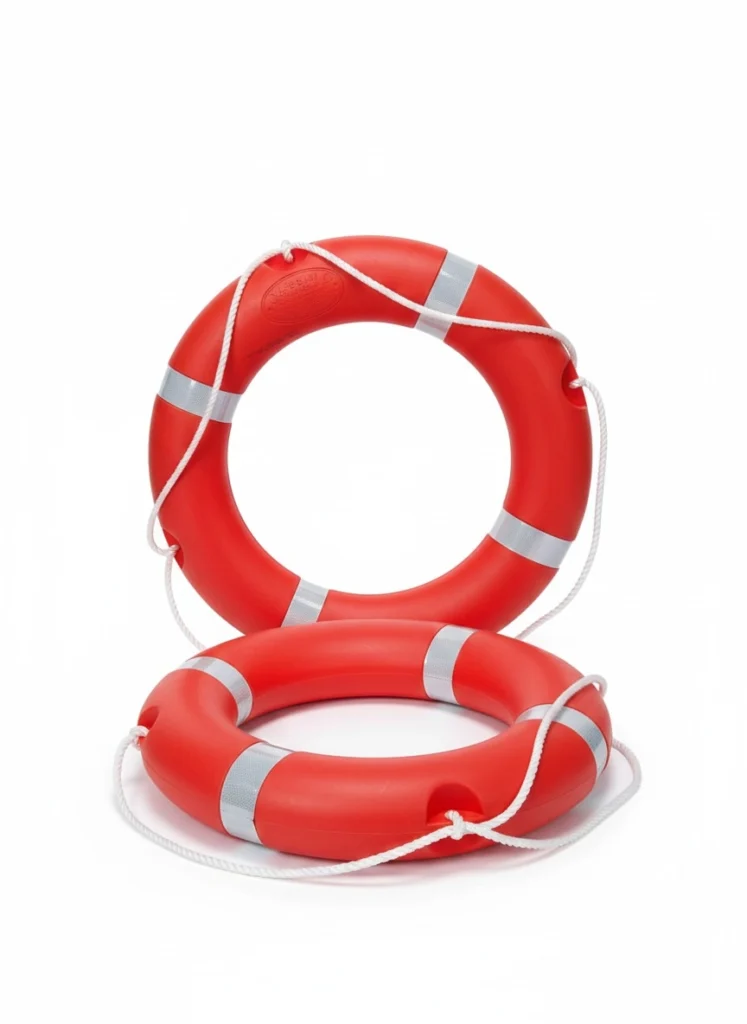
If rescue tubes are for active lifeguards, rescue rings are for everyone else – the bystander, the dock worker, whoever’s nearby when it happens. A good ring pairs a foam-filled outer shell with reflective tape and a mooring rope, staying visible and easy to grab in low light. SOLAS-approved versions suit facilities needing maritime compliance; Non-SOLAS suits general waterfront use.
Throw Bags - Fast, Accurate, and Compact
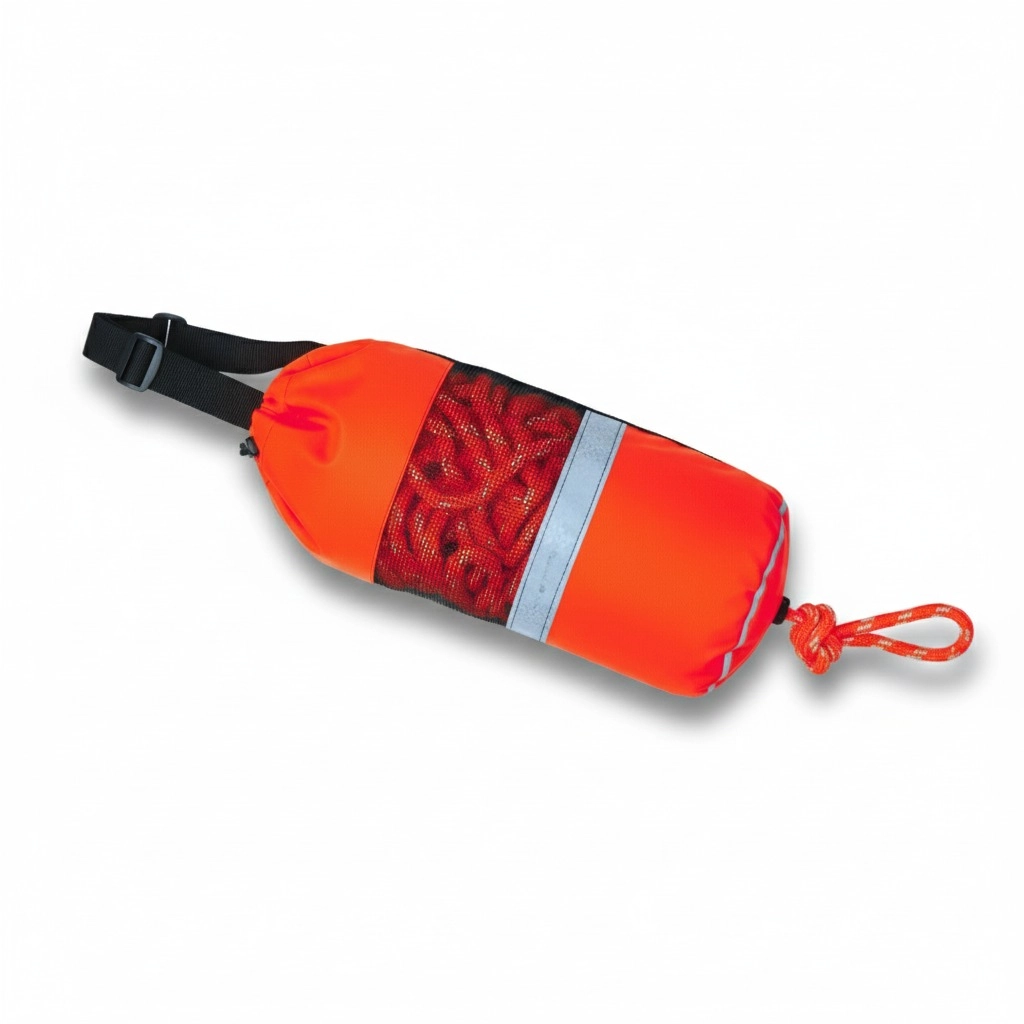
A throw bag solves what a ring can’t always solve alone: accuracy over distance. Instead of hoping a thrown ring reaches someone, a throw bag lets a rescuer send a coiled, floating rope directly toward a struggling swimmer – especially useful across marinas and open waterfront areas.
Rescue Ropes - The Quiet Essential
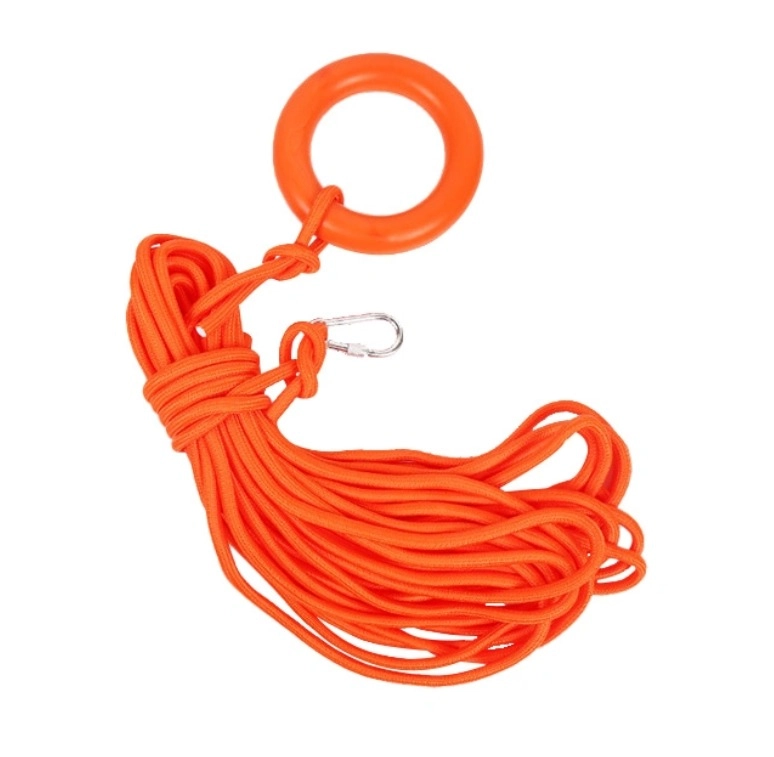
It’s easy to overlook rope until the moment you need it and it’s not there. A strong, water-resistant polypropylene rope in a bright, visible colour belongs on every dock and jetty – readily accessible, not tucked away in storage.
Torpedo Buoys - Built for Speed
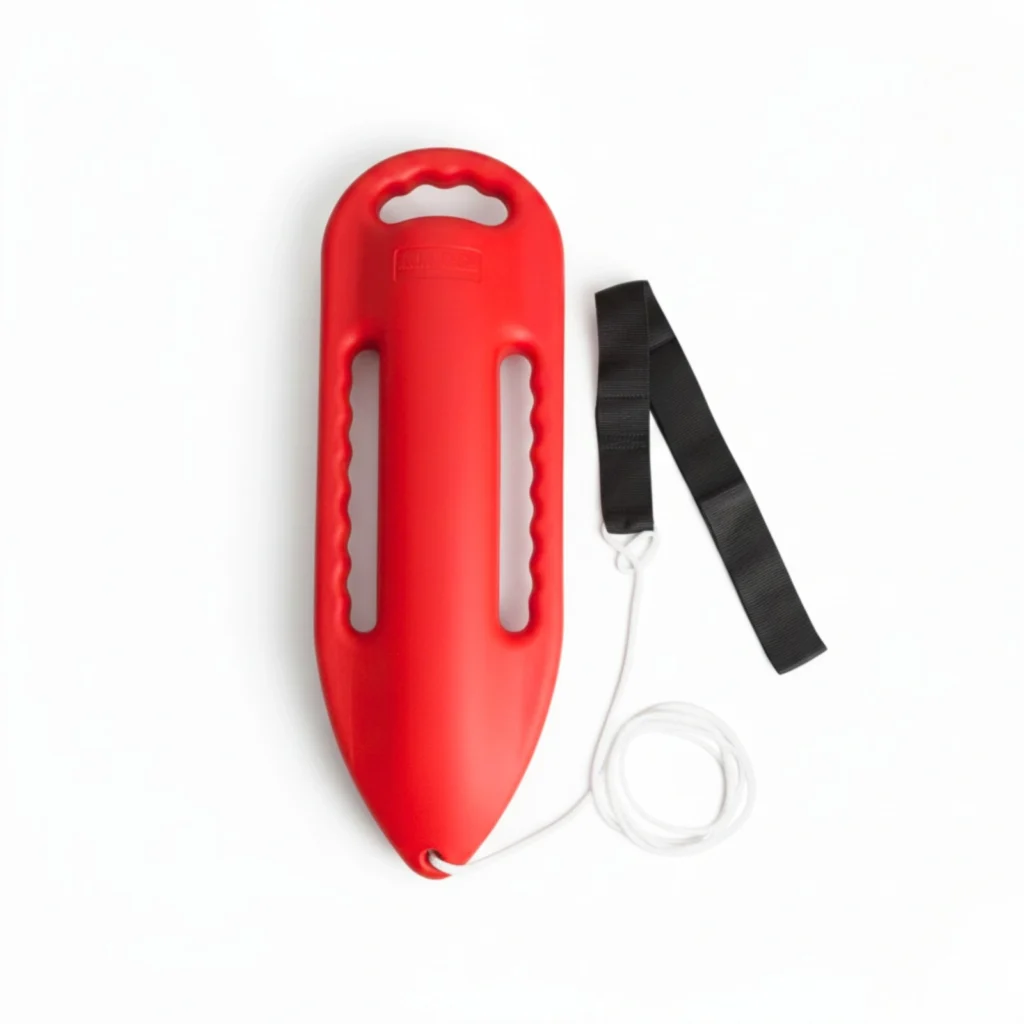
Torpedo buoys refine the rescue tube concept for speed. Their streamlined shape cuts through water more efficiently, which matters when a lifeguard is racing against time. High-buoyancy models (150N or more) suit pools, beaches, resorts, and marine rescue operations where fast deployment changes outcomes.
Life Jackets - Prevention and Readiness
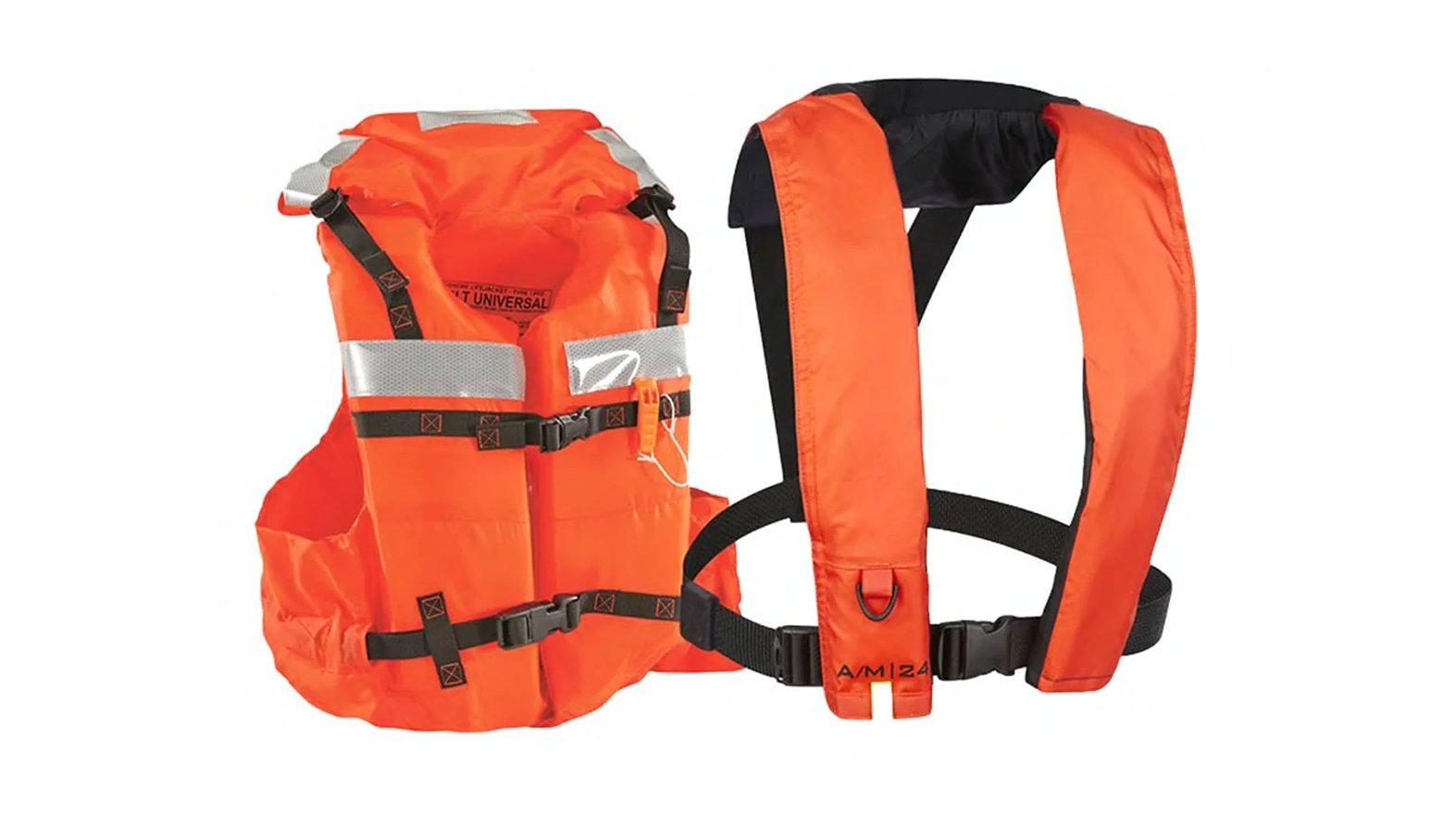
Life jackets are as much about preventing an emergency as responding to one. A well-designed life jacket keeps a person afloat with minimal effort, buying critical time before rescue equipment even reaches them. Facilities that make life jackets genuinely accessible – not locked away or limited to rental counters – tend to see fewer incidents escalate into full emergencies in the first place.
Lifeguard Pouches - Fast Access to Critical Gear
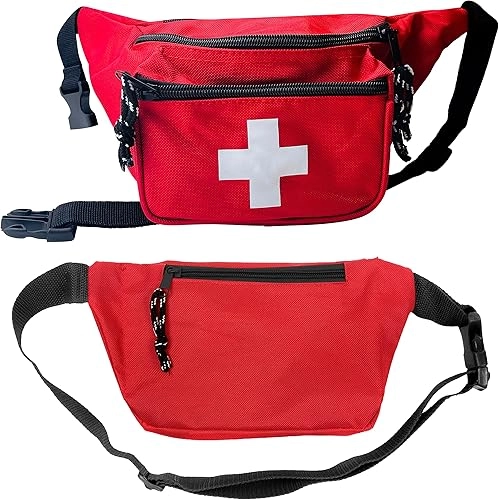
A lifeguard’s response speed isn’t only about flotation equipment. A compact, water-resistant lifeguard pouch – carrying gloves, a rescue mask, and a whistle – keeps essential items within immediate reach, so a lifeguard isn’t searching for gear in the middle of an active response.
Marine Safety Equipment: A Facility-Wide Responsibility
If your lifeguard is on a break, or the shift just changed, is your facility still safe?
Good lifeguard and rescue equipment planning assumes gear will sometimes work without a trained lifeguard standing over it – clear signage, obvious storage points, and equipment simple enough for an untrained bystander to grab and use in a panic.
What Readiness Looks Like for Marine Facility Managers
A well-prepared facility typically has the following in place:
- Rescue tubes assigned to every on-duty lifeguard, sized appropriately for the water area
- Rescue rings mounted at visible, regularly spaced points along docks and piers
- Throw bags positioned at spots with longer sightlines or open water exposure
- Rescue ropes stored where they’re immediately accessible
- Torpedo buoys available for facilities needing fast, high-buoyancy response
- Rescue stretchers on hand for safe post-rescue transport
- Life jackets genuinely accessible to guests and staff, not just stocked in storage
- Lifeguard pouches stocked with whistles, gloves, and first aid basics
- All lifeguard and rescue equipment inspected on a documented monthly schedule
- Staff trained on the reach-throw-row-go hierarchy, not just the equipment itself
Any gap in this list is worth closing before it becomes an incident report.
Maintenance Is Where Most Facilities Quietly Fail
A rescue ring with a frayed rope. A torpedo buoy with a cracked seam. A throw bag whose rope has degraded from sun exposure. None of these show up as problems – until the exact moment they’re needed most. Build a maintenance rhythm, not just an annual box-tick: monthly checks on tubes, rings, and buoys; rope inspections; verified stock on pouches and stretchers; and drills that actually use the equipment.
Bringing It All Together
Safer marine facilities aren’t built on a single piece of equipment – they’re built on a system where the right lifeguard and rescue equipment is visible, accessible, well-maintained, and backed by people who know exactly how to use it. That gap between “someone’s in trouble” and “someone’s safe” is measured in seconds, and the right equipment – paired with the right habits – is what shrinks it.
Bay Marine supplies exactly this kind of system across the UAE and Middle East, as a premier supplier of professional RESQ lifeguard products built for durability and rapid response. From high-visibility rescue tubes and specialized pouches to rescue stretchers and life buoy rings, a robust local inventory means facilities across the territory can get the right marine safety equipment in place without delay – supporting the highest standards of aquatic safety and emergency preparedness.
A lifeguard and rescue equipment review is a low-effort step today, and a far better position than facing a gap during an actual emergency.
Frequently Asked Questions
1. What is the most important piece of lifeguard and rescue equipment for a marine facility?
No single item wins – rescue tubes and rings deploy fastest, but they work best alongside throw bags, ropes, torpedo buoys, and life jackets as one system.
2. How often should marine safety equipment be inspected?
Tubes, rings, torpedo buoys, and ropes should be checked monthly; life jackets, pouches, and stretchers need regular condition and stock checks, ideally documented.
3. What’s the difference between a rescue ring and a torpedo buoy?
A rescue ring suits bystanders and dock-side rescues, while a torpedo buoy is streamlined for lifeguards swimming toward a victim, offering faster deployment and higher buoyancy.
4. Do SOLAS-approved rescue rings matter for every facility?
SOLAS-approved rings meet international maritime standards and are typically required for vessels and regulated ports; Non-SOLAS versions suit general waterfront, pool, and resort use.
5. Can Bay Marine provide custom-fabricated rescue or safety equipment?
Yes. For facilities with specific site requirements, Bay Marine offers custom fabrication services alongside its standard RESQ product range.