Connectivity
Automatic Identification System (AIS)
Integrating AIS (Automatic Identification System) with Aids to Navigation (AtoN) lanterns represents a significant leap from traditional visual signaling to “Smart Navigation.” This combination allows a buoy or lighthouse to not only flash a light but also broadcast its identity, status, and environmental data directly to a ship’s electronic charting system
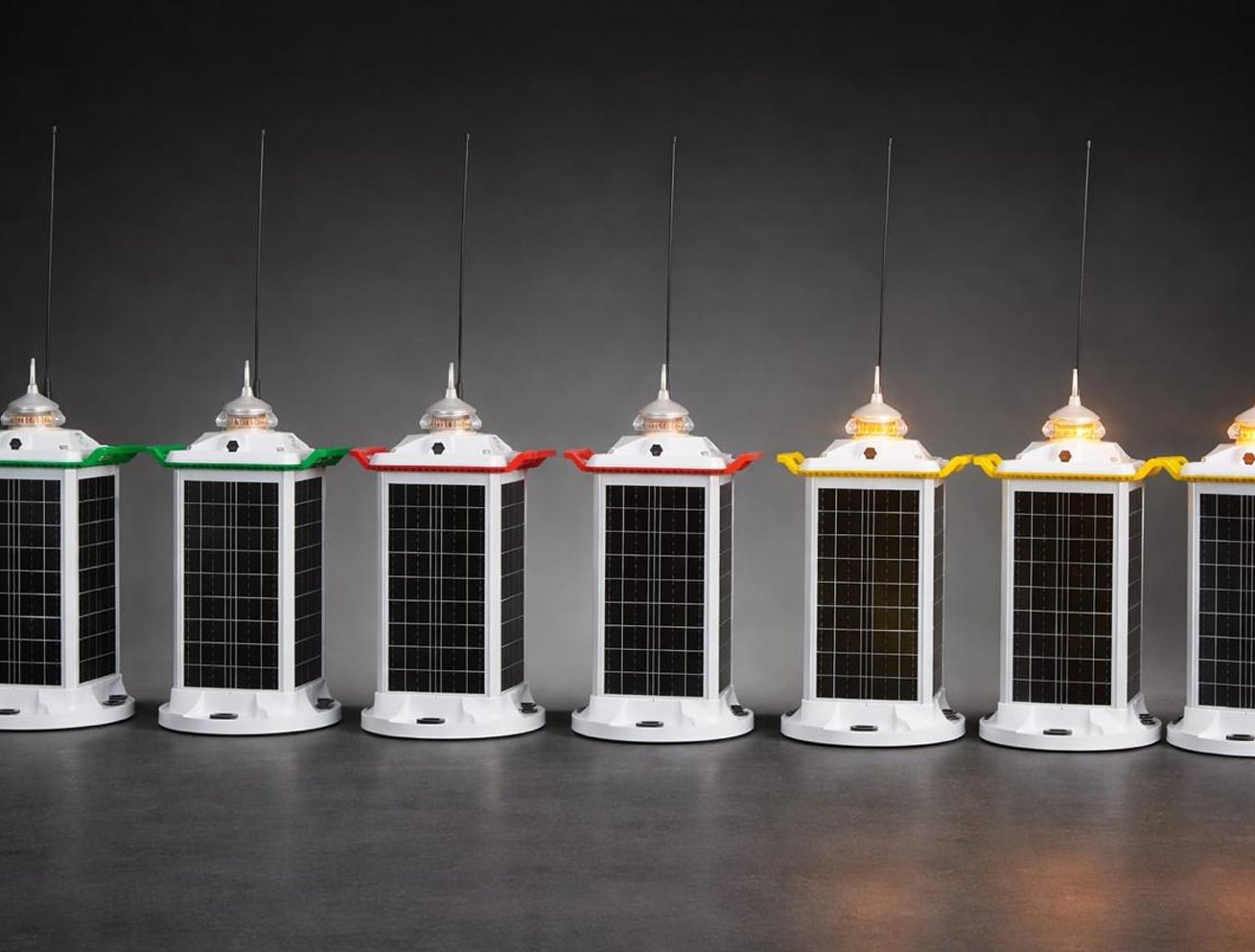
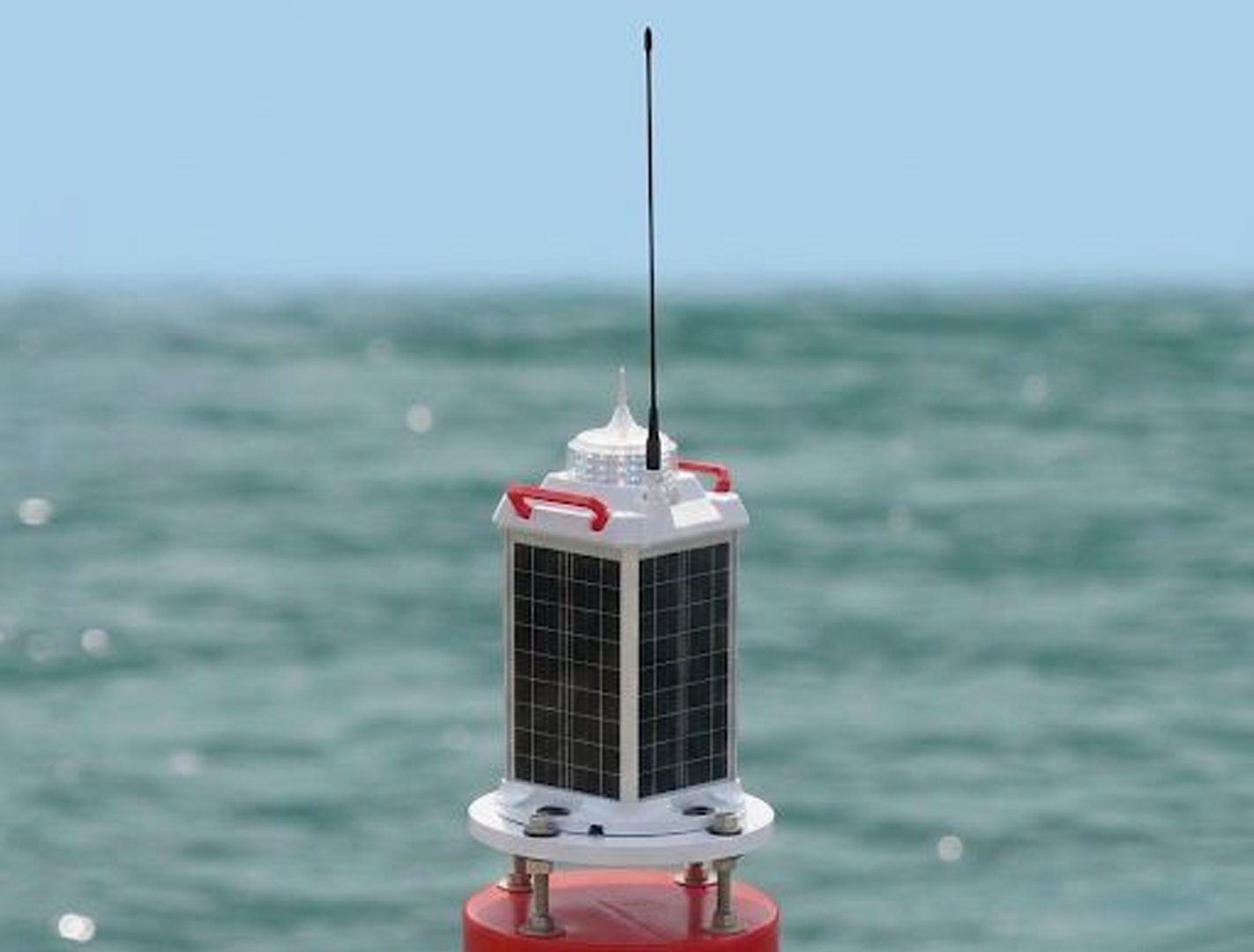
- Integrated Technology: Tenyn Ocean Alkaid series lanterns come with in-built AIS connectivity
- The ALKAID-5CT: This is the self-contained lantern of the future. It has been designed and manufactured with the latest technological advances, in addition to its wide range of intelligent functions
- IoT Capabilities: Tenyn Ocean navigation lanterns with IoT (Internet of Things) communication system have the ability to create a beacon network where all AtoNs are connected to each other
AIS Type 1 (Transmit Only)
Uses FATDMA (Fixed Access Time Division Multiple Access). It transmits on a fixed schedule. It is energy-efficient, making it ideal for solar-powered buoys.
AIS Type 3 (Transmit & Receive)
Uses RATDMA (Random Access TDMA). It can receive messages and be remotely configured or “interrogated” by a base station. This allows for two-way communication and relaying of information.
GSM Connectivity
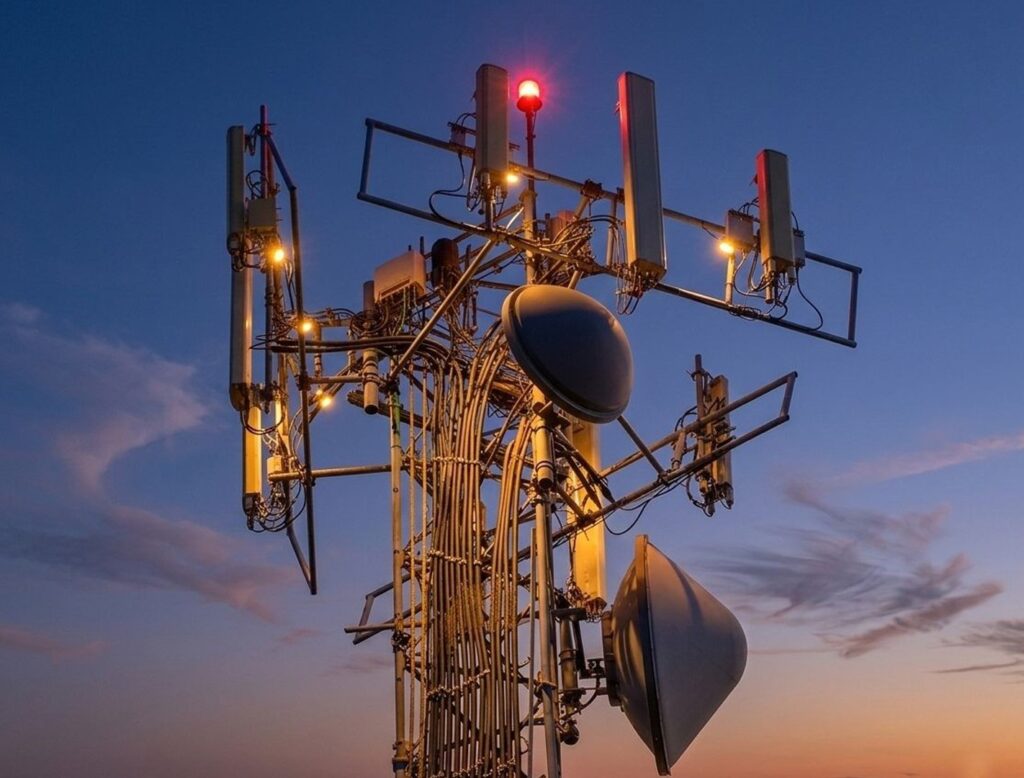
GSM connectivity has transformed traditional navigation lanterns into intelligent, networked assets. By integrating a Global System for Mobile communications (GSM) module, these lanterns can communicate their status in real-time to a central monitoring station or a smartphone
- Functionality: A GSM-enabled navigation lantern functions like a ruggedized, specialized cell phone. It utilizes a SIM card to transmit data over local cellular networks
- Remote Monitoring and Control (RMC): The primary advantage is RMC. Instead of sending a crew out on a boat to check a light, port authorities can manage everything from a desk
- Customization: Tenyn Ocean lanterns are equipped with optional GSM monitoring features to suit project and asset owner requirements in monitoring and control of the navigation aid
Satellite Monitored Navigation Lantern
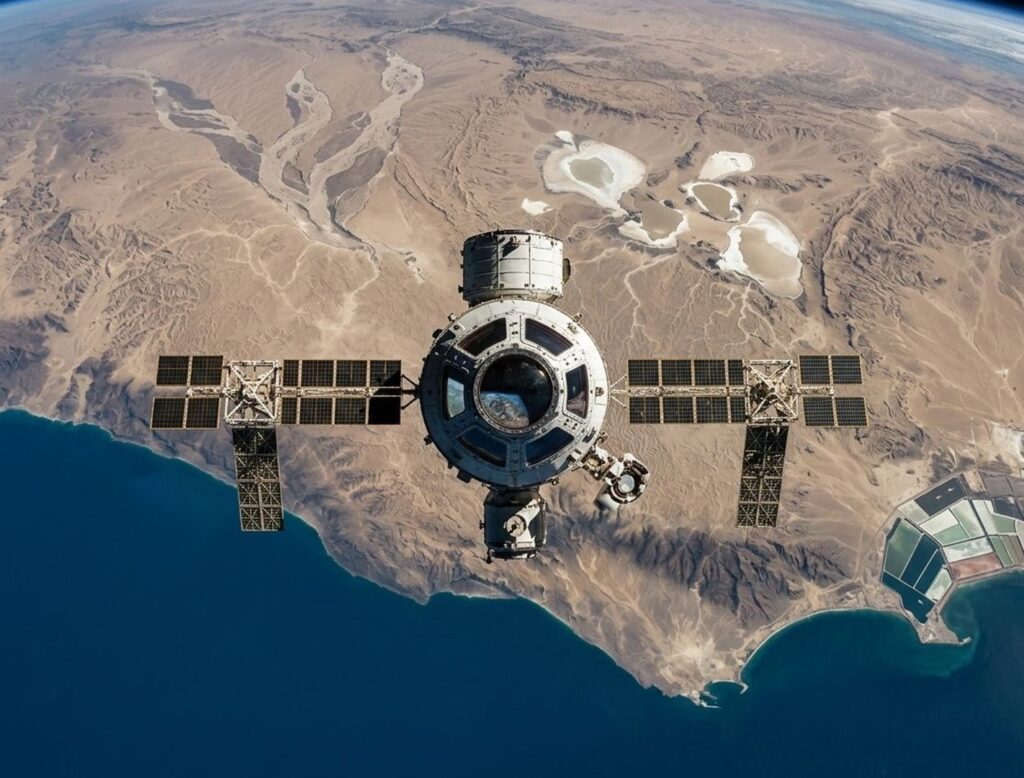
Tenyn Ocean has redefined maritime safety by integrating Satellite Monitoring into their high-performance lantern range, ensuring that your navigational aids are remotely monitored
Intelligence & Durability: The Tenyn Ocean Alkaid series is engineered for durability and intelligence. While traditional lanterns require physical inspections to verify status, Tenyn Ocean lanterns provide real-time health data directly to your dashboard via satellite
Key Features
- Real-time monitoring of battery voltage, LED health, and GPS position from a remote web portal
- Automatic alerts for "Off-Position" (geofencing), low battery, or abnormal internal temperature
- Two-way remote control enables change of flash characters, adjust intensity, or toggle the light on/off remotely through a web portal

RACON Solutions
Bay Marine provide world-class RACON (Radar Beacons) to suit project requirements. Bay Marine supply RACON units to ensure that critical hazards, bridge spans, and platform locations are visible on a ship’s radar display, regardless of fog, heavy rain, or distance
- Frequency Agile Performance: Operating across both X and S bands, our RACONs respond to shipborne radar pulses by transmitting an unmistakable Morse code character back to the vessel’s display
- Energy Efficiency: Optimized for solar-powered applications, these beacons feature ultra-low power consumption, making them the perfect companion for self-contained buoy systems
- All-Weather Reliability: When visual range is compromised, the RACON remains the definitive "digital lighthouse" for mariners